
What I Wish Someone Had Told Me About Caregiver Training Requirements in Washington State
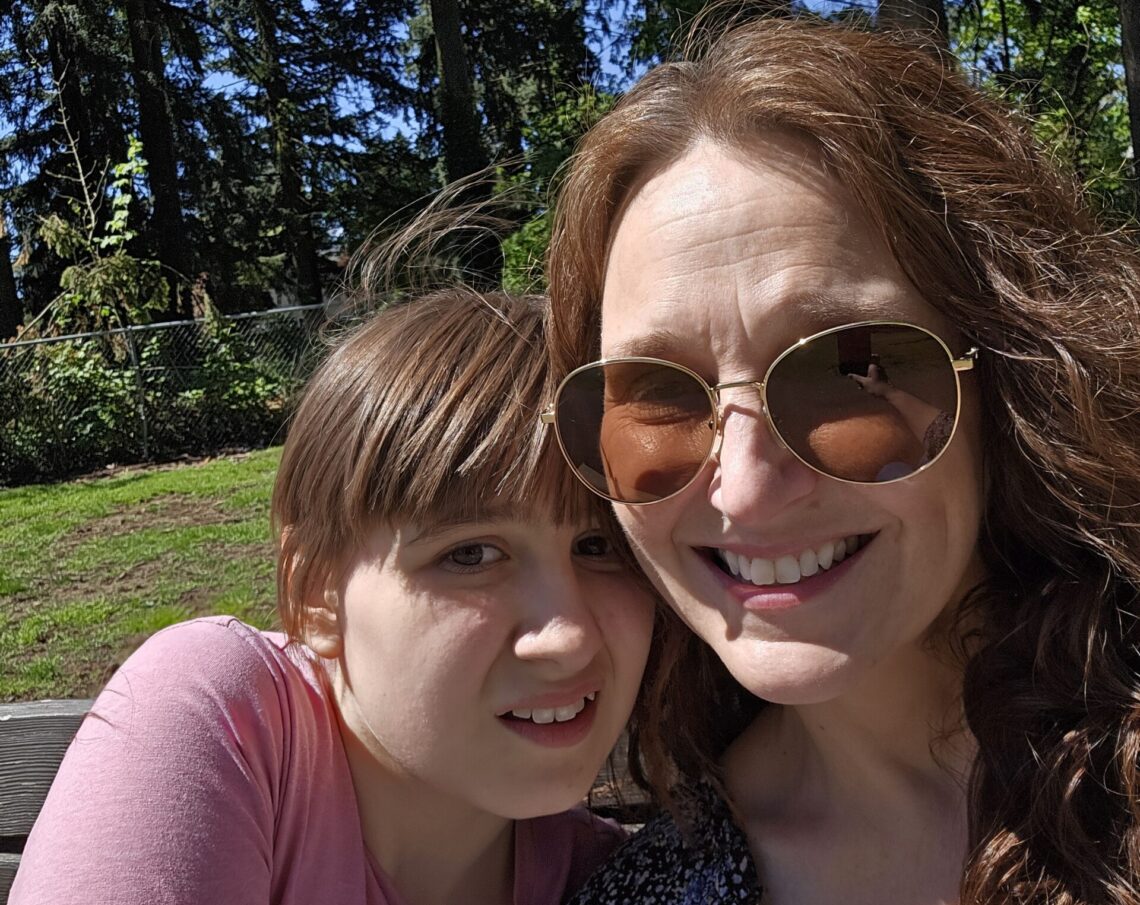
I’m a mom to Brooklyn, who is autistic, nonverbal, and has a one-on-one aide at school. For years, I’ve also been the person hiring, training, and managing in-home caregivers for her through Washington’s Consumer Direct Care Network (CDWA) and SEIU 775. Along the way, I got licensed myself so I could help other parents navigate this same maze.
If you’re new to this, the training requirements can feel like alphabet soup — BT30, BT70, HCA, NAC, AHCAS, CE hours, deadlines on top of deadlines. I remember staring at my first caregiver’s “Qualifications” tab on DirectMyCare and having no idea what any of it meant or why it mattered for Brooklyn’s care. So here’s the breakdown I wish someone had handed me on day one.
The Big Picture: Why Training Levels Exist
Washington ties a caregiver’s required training hours to how much care they’re providing and what credentials they already hold. The goal is to make sure anyone in your child’s home meets a baseline safety and skills standard — without forcing someone who’s already a licensed nurse to sit through the same 70-hour course as someone brand new to caregiving.
Here’s the quick-reference chart I keep coming back to:
| Level | Hours Required |
|---|---|
| Respite Provider | 9 hrs (+5 orientation) |
| Limited Service Provider | 30 hrs |
| Standard Individual Provider | 70 hrs |
| Credentialed HCA | 75 hrs |
| AHCAS (Advanced) | +70 hrs |
| Exempt (RN/LPN/NAC/ARNP/Special Ed) | None |
ⓘ All levels except exempt require 12 hours of Continuing Education (CE) annually. Most Basic Training deadlines are 120 days from hire.
Level 1: Respite Provider — 9 Hours
This is the lightest tier, designed for caregivers who only provide occasional relief care.
- 5 hours of Orientation and Safety training
- 9 hours of Basic Training, completed within 120 days of hire
- Limited to 300 hours of respite care per calendar year
If a respite provider goes over that 300-hour cap, they have to step up to the standard 70-hour training within 120 days of crossing that line. For families like mine who need consistent, ongoing care, respite-level caregivers usually aren’t the long-term answer — but they’re a great option for occasional backup.
Level 2: Limited Service Provider — 30 Hours
This tier is for caregivers providing a smaller, defined amount of care to one consumer.
- 30 hours of Basic Training within 120 days of hire
- Capped at 20 hours of care per month, for a single consumer
If your caregiver needs to provide more hours than that, they’ll need to move up to the full 70-hour standard training and get credentialed.
Level 3: Standard Individual Provider — 70 Hours
This is the tier most of Brooklyn’s caregivers have fallen into, since she needs more than 20 hours of care per month.
- 70 hours of Basic Training, due within 120 days of first working authorization
- Home Care Aide (HCA) certification through the Department of Health
- 12 hours of Continuing Education (CE) every year, due on the caregiver’s birthday
One thing that’s changed recently: the HCA certification deadline used to be 200 days from hire. For workers hired through the end of 2027, that timeline has been extended — so double-check the current deadline with SEIU 775 when you’re onboarding someone, since this is exactly the kind of detail that shifts.
Level 4: Credentialed Home Care Aide (HCA) — 75 Hours
Some caregivers come in already certified, or complete the 75-hour HCA training track:
- 75 hours of HCA training, completed before hire or within 120 days of hire
- Certification exam completed within 120 days as well (this is the part that recently changed — it used to allow up to 200 days)
- Issued through the WA Department of Health
- 12 hours of CE annually
Level 5: Advanced Home Care Aide Specialist (AHCAS) — +70 Hours
This is an optional, additional 70-hour training on top of standard credentialing, built by DSHS, SEIU 775, and the Training Partnership. It’s for caregivers who want (or whose clients need) a higher level of specialized skill. I’ve encouraged a few of Brooklyn’s longer-term caregivers to pursue this, especially when her needs have gotten more complex.
The Part Everyone Asks Me About: Who’s Exempt From All This?
This is where it gets really relevant for families like ours. Washington law recognizes that some people walk in the door already qualified — and this is a big one for special needs families specifically.
Caregivers who may be exempt from the standard Basic Training and HCA certification requirements include:
- Active, in-good-standing RNs, LPNs, ARNPs, or NAC (Nursing Assistant Certified) credential holders
- Teachers with a special education endorsement from the Office of Superintendent of Public Instruction
- CNAs or those in approved CNA training programs (with their own 120-day training / credentialing timeline)
- Home health aides employed by a Medicare-certified home health agency within the past year who meet federal requirements
That special education endorsement exemption is one I point out to every parent I talk to. If you’re hiring someone who’s worked as a special ed paraeducator or has that OSPI endorsement, they may not need to redo the full 70-hour Basic Training — which can mean they’re cleared to start providing paid care to your child much faster.
Even when someone is exempt from Basic Training and HCA certification, most still owe the 12 hours of annual Continuing Education to keep their credential active (the COVID-era waivers on this have ended, so this is back to being a hard requirement).
A Few Tips From Someone Who’s Done This a Lot
Check the DirectMyCare portal early and often. Every caregiver’s “Qualifications” section shows exactly where they stand — what’s done, what’s due, and by when. I make this part of my onboarding checklist for every new hire.
Don’t assume — verify. If a caregiver tells you they’re “already certified” or “exempt,” that’s great, but get it confirmed in the system. CDWA processes the actual credentialing, and deadlines have real consequences: if training isn’t current, the caregiver won’t get paid for hours worked.
Build training time into your planning. That 120-day window goes fast, especially if you’re also dealing with school schedules, therapy appointments, and everything else on a special needs family’s plate. I try to start the training conversation with a new caregiver in week one, not week ten.
Call the Member Resource Center when in doubt. SEIU 775’s MRC (1-866-371-3200, Monday–Friday, 8am–4:30pm) has been a reliable resource for me when something on the portal doesn’t match what I expect, or when a caregiver’s training status seems off.
Rules change — more than you’d think. The HCA certification deadline shift I mentioned above is a good example. Requirements that felt set in stone a couple of years ago have moved. If you’re reading this more than a few months after I wrote it, treat the specific deadlines as a starting point and confirm them directly with SEIU 775 or CDWA.
Important Links
- DirectMyCare Portal (check training status, qualifications, hours): directmycare.com
- CDWA Website: consumerdirectwa.com
- SEIU 775 Benefits Group (training enrollment, Caregiver Learning Center, CE): myseiubenefits.org
- SEIU 775 (Union): seiu775.org
- SEIU 775 Member Resource Center (MRC): 1-866-371-3200, Monday–Friday 8am–4:30pm, or MRC@myseiubenefits.org
- DSHS — Becoming a Paid Caregiver: dshs.wa.gov/altsa/home-and-community-services/becoming-paid-caregiver
- DSHS — Workers Exempt from Basic Training: dshs.wa.gov/altsa/home-and-community-services/workers-exempt-basic-training
- Carina (caregiver matching and backup care): carina.org
I share this not as a lawyer or an official spokesperson for CDWA or SEIU 775, but as a parent who’s been in the trenches of hiring and managing caregivers for my daughter, and who’s now licensed to help other families do the same. If you’re navigating this system for the first time, you’re not alone — and it does get easier.